- By Vanshika Choudhary
- June 22, 2026
So in today’s digital world, companies really need ways to get to possible customers online. And yes, SEO can help a site slowly build organic visitors, but most brands still want something faster. That’s where PPC advertising shows up. PPC, which is Pay-Per-Click advertising, basically lets businesses show ads on search engines, social media spaces, and partner websites, but you pay only when someone actually clicks on that ad.
And honestly, PPC advertising has become pretty popular because it brings speedy exposure, more focused visitors, and clear measurements. Whether you run a small store, an e-commerce operation, or a bigger corporation, PPC can bring the right people in and help push sales up. When you know how PPC functions, you can make smarter marketing calls and get a better return on investment.
What Is PPC Advertising?
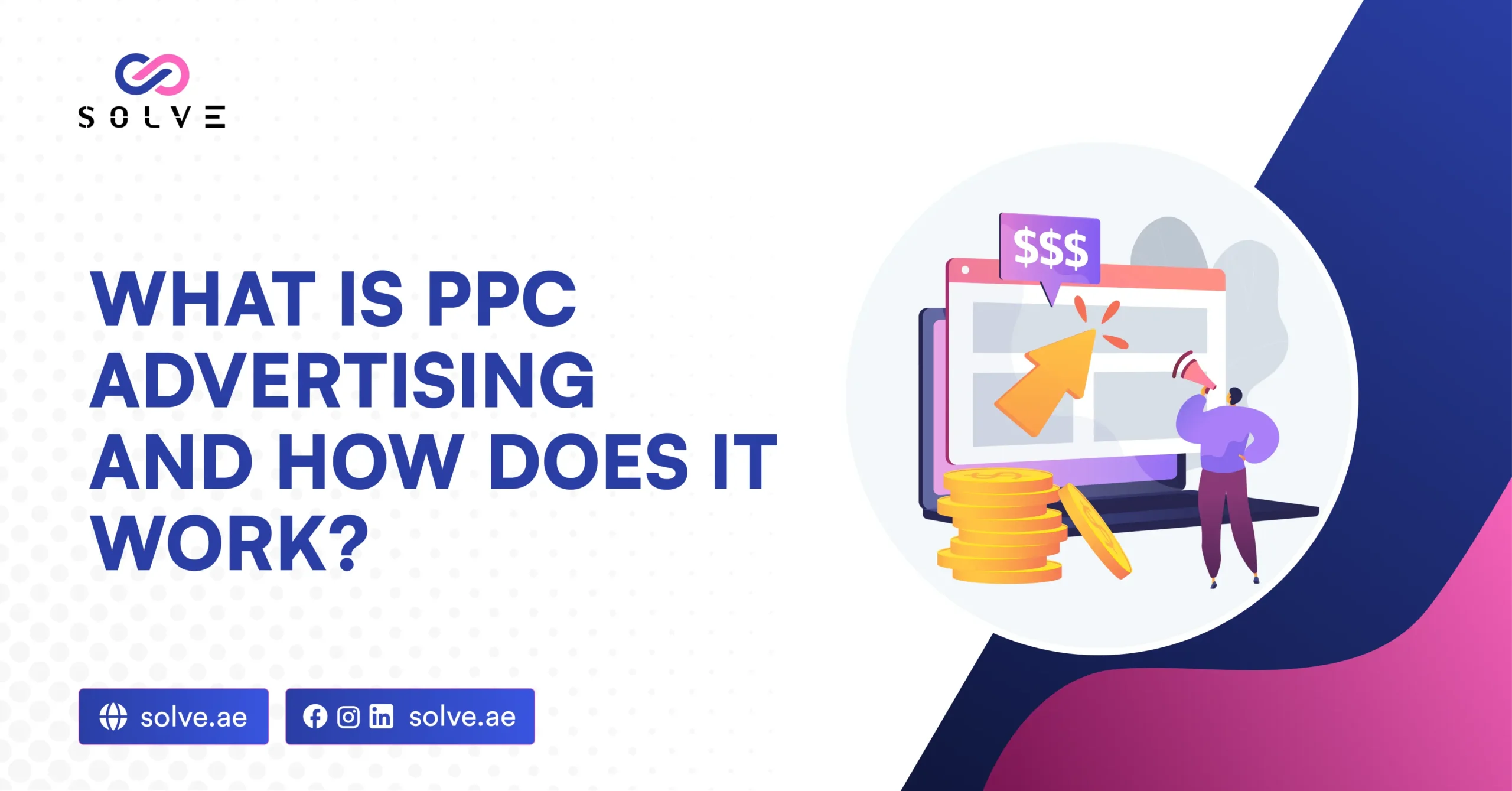
PPC (Pay-Per-Click) advertising is an internet advertising approach where advertisers pay money each time a person taps, or clicks, on their advertisement. Instead of waiting for traffic to appear naturally, businesses buy it through paid campaigns. The ads can show up on search engine results, social platforms, websites in ad networks, and even on mobile apps.
One of the clearest examples is search engine PPC. When someone types a question or searches for certain keywords, businesses bid on those terms so their ads can appear near the top of results. Then, if the user clicks, the advertiser pays a smaller fee. The point is to pull in people who already show intent, like they are actively looking for what you sell, or at least very close to that interest.
Why PPC Advertising Is Important
PPC advertising helps businesses reach customers at the exact moment they are searching for products or services. Unlike the more “general” kind of promotion that tries to catch everyone, PPC tends to zoom in on people with clear interests and purchase intent, so it basically makes things feel more direct and usually improves the odds of qualified leads and actual conversions.
Another big advantage is speed. SEO can take months before it really shows up, but PPC campaigns can start sending visitors almost right after launch. At the same time, businesses can quickly test offers, promotions, and even marketing wording while also collecting helpful insight about customer behavior and preferences.
How PPC Advertising Works
PPC advertising works through a bidding system. Advertisers pick keywords that fit their business, then place bids on those keywords. When someone enters a search query, the advertising platform runs an auction to decide which ads show up and in what position.
Now, the top bidder isn’t always the one that wins, because platforms also consider ad relevance, quality signals, and overall user experience. If a user clicks on the ad that appears, the advertiser pays the agreed amount. This whole routine happens in milliseconds each time a search is performed, so users see ads that match what they searched for, and advertisers still connect with potential customers.
Key Components of a PPC Campaign
1. Keywords
Keywords are kind of the basis of PPC advertising. Basically, they are the words or phrases people type into search engines when they want info, products, or services. Advertisers then pick keywords that match the way their audience searches, kind of aligning with that intent, too.
Picking the right keyword and conversion for overall campaign success. If the keywords are highly relevant, they can pull in visitors who actually want what you offer. But if the keywords are poorly chosen, they may burn through your ad budget without results. Keyword research also lets businesses spot terms that have solid search volume and conversion potential as well.
2. Ad Copy
Ad copy is the text users see inside the ad itself. A good, compelling ad should say the value of the product or service pretty clearly, and at the same time, it should nudge users to click. Strong headlines, persuasive descriptions, and obvious calls to action all matter a lot when it comes to improving click-through rates.
Good ad copy usually speaks to what customers need. It should stress the advantages, not just list features like a checklist. When businesses craft ads that feel engaging and relevant, they often see better results and even lower advertising costs.
3. Landing Pages
A landing page is the webpage users land on after clicking the ad. Ideally, it lines up with what the ad promised, and it should offer a smooth user experience. If the ad is about a particular product, then the landing page should show that exact product directly. Not a generic homepage, not a random menu of options.
When landing pages are well designed, they tend to lift conversion rates by steering users toward one specific next step, like buying, completing a form, or requesting a quote. On the other hand, a weak landing page can cause higher bounce rates and wasted ad spend.
Check out our latest blog post on How to protect your crypto wallet when you’re using DeFi platforms
4. Bidding Strategy
Advertisers need to figure out how much they’re willing to pay per click. There are different bidding strategies available, depending on what the campaign is trying to do. Some businesses focus on maximizing results early, while others emphasize cost control and steady performance.
Modern PPC platforms lean on automated bidding systems that tweak bids using performance data, and usually in real time. They kind of help advertisers reach nicer outcomes, while still keeping budgets in a tidier way. But really, it’s like this constant loop where the system “learns” from clicks, conversions, and other signals, and then it changes bids based on what it sees happen right now.
Types of PPC Advertising
1. Search Ads
Search ads show up on search engine results pages when someone types in certain keywords. They typically appear above organic results, and they’re clearly marked as sponsored content. Search advertising is often considered very effective because it targets people who are already looking for information, or a workaround, or a solution, so the intent is pretty strong.
Businesses use search ads to generate leads, bring visitors to their site, and push sales forward. Since users already come in with high intent, search campaigns end up with stronger conversion rates more often than not.
2. Display Ads
Display ads run across websites, blogs, and online publications, usually through advertising networks. These ads may include images, visuals, animations, and other interactive elements that pull attention.
Display advertising is frequently used for brand recognition, as well as remarketing efforts. The thought is simple: stay in front of potential customers while they wander around different websites across the internet.
3. Social Media Ads
Social media platforms offer PPC options that allow businesses to target users by demographics, interests, behaviors, and even online activity. The ads appear inside feeds, stories, and other placements depending on the network, and it can feel pretty seamless.
Social media PPC campaigns can be strong for building brand awareness, boosting engagement, and driving conversions. With advanced targeting features, it’s easier to narrow audiences down to smaller, pretty specific groups without getting lost in too much noise.
4. Shopping Ads
Shopping ads basically show products right in the search results. Instead of just a link, you get product images, prices, ratings, and store details. People can compare stuff almost instantly before they even click over to a website.
A lot of e-commerce businesses use shopping ads to boost product visibility and pull in more sales. Since the shopper sees the key product information right away, these ads usually attract buyers who are a bit more qualified than “random” visitors.
Benefits of PPC Advertising
1. Immediate Results
One of the most noticeable advantages of PPC advertising is speed. Campaigns can start bringing traffic and leads within hours after launch, not weeks. Because of that, PPC works really well for promotions, product launches, and marketing plans where timing matters.
Companies don’t have to sit around for months waiting for rankings to climb. Instead, they can gain visibility fast and begin drawing in potential customers almost immediately.
2. Precise Audience Targeting
PPC platforms offer pretty advanced targeting options. Advertisers can aim at specific audiences by location, age, interests, device type, and even online behavior. That kind of pinpoint targeting improves campaign efficiency and cuts down on spending that doesn’t really go anywhere.
When the advertising is targeted, the message tends to land with users who are most likely to interact and later become customers.
3. Measurable Performance
PPC campaigns come with detailed analytics and reporting. Advertisers can follow clicks, impressions, conversions, costs, and return on investment in real time. This kind of clarity makes it easier to judge if the campaign is actually working.
Also, businesses can use the performance data to make smarter choices and keep adjusting the campaign so results get better over time.
4. Budget Control
PPC advertising gives businesses more or less full control over what they spend, with a lot of room to shift things around. Advertisers can decide a daily budget ceiling and tweak their campaigns based on results. That kind of flexibility is why PPC works for a tiny company as much as it does for big enterprises.
Because businesses pay only when someone actually clicks the ad, budgets can be used in a more efficient way compared to some older, more static ad approaches. So, it’s not just “spending”; it’s spending with feedback, if that makes sense.
Common PPC Mistakes to Avoid
One frequent mistake is going after way too broad keywords, the kind that pull in visitors who are simply curious, not ready to buy. Then costs rise, conversions stall, and the whole campaign feels expensive for no reason. More careful keyword selection, plus using negative keywords, can steer things back on track and improve performance over time.
Another common issue is pushing people toward landing pages that aren’t really prepared. Even if the ads are strong, the click doesn’t magically turn into a lead if the landing page is slow, confusing, or just boring. Regular trials, ongoing adjustments, and performance analysis are what keep PPC from going sideways in the long run.
Conclusion
PPC advertising is among the most powerful digital marketing methods for businesses aiming to get immediate traffic, leads, and sales. Since you only pay when users click on your ads, reaching the right audience becomes more direct, and the outcomes are easier to measure. Whether you’re using search ads, display campaigns, social media ads, or shopping ads, Contact Us as PPC provides several routes to connect with potential customers.
When PPC is managed properly, it can bring strong returns on investment while also supporting broader online growth. Knowing how PPC works, choosing the right keyword list, writing ads that sound compelling, and tightening up landing pages are the key steps. Do those things consistently, and you end up building campaigns that can last, instead of just running for a short while and then fading out.