- By Vanshika Choudhary
- July 15, 2026
Businesses today operate in a pretty intense digital environment where having just a website isn’t enough. Like, people don’t really stop at “Oh, I have a site” anymore; they want results. Consumers tend to use search engines to compare products, investigate services, and skim reviews, and only after that do they make a decision, sometimes even before reaching out to a business. So basically, customer behavior has shifted, which means companies have to show up in the same places where their audience is already looking, not later. Google Ads then gives businesses the chance to connect with potential customers right when they need a solution.
Google Ads has turned into one of the most effective digital marketing platforms, mostly because it delivers quick visibility and measurable outcomes. With older advertising approaches, companies may have to sit and wait weeks or even months to understand if anything worked. But with Google Ads, businesses can often start generating website traffic, leads, and sales almost immediately. Whether you’re running a startup, managing a small business, or handling marketing for a multinational company, Google Ads can help you widen your exposure and reach your marketing objectives in a more efficient way.
What Is Google Ads?
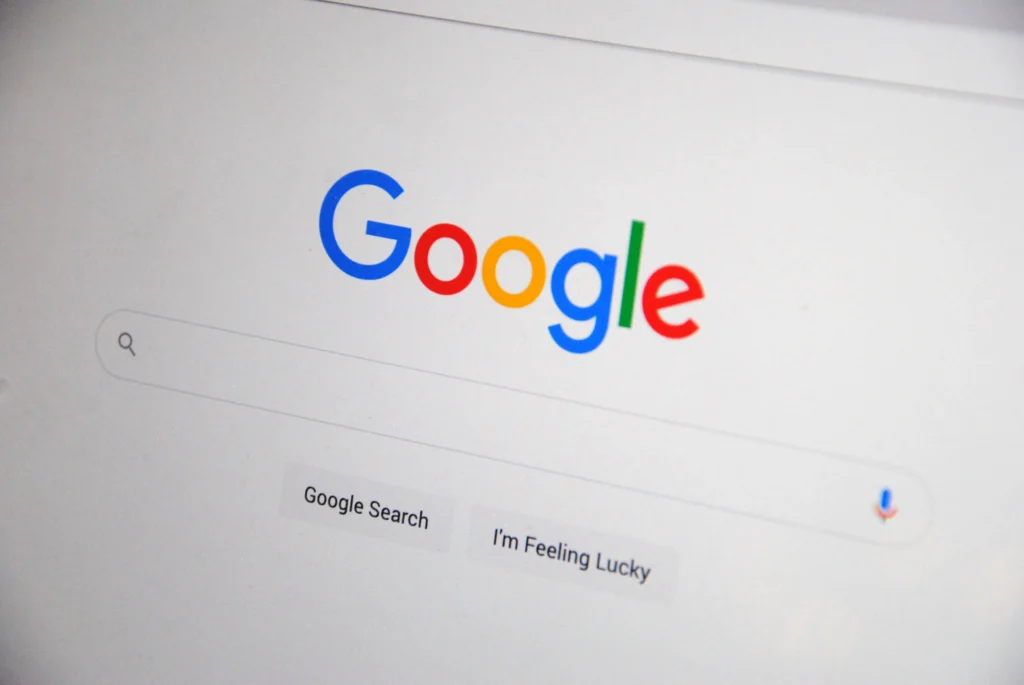
Google Ads is basically Google’s online advertising platform. It helps businesses show advertisements across Google Search, YouTube, Google Maps, Gmail, and also across millions of websites through the Google Display Network. In practice, advertisers place bids on keywords that match their products or services, so their ads can show up when people type in those specific terms. That’s a big deal because it means companies are reaching customers who already seem to care about what they sell.
The whole system runs mostly on a Pay-Per-Click, or PPC, model. So, advertisers pay only when someone actually clicks the ad. This can feel pretty cost-effective because spending happens when there is real interaction, not just for “being seen.” Also, businesses can pick from different campaign kinds, like Search Ads, Display Ads, Shopping Ads, Video Ads, and Performance Max campaigns. The choice depends on what the company wants to achieve with its marketing and how they want to reach people.
Why Google Ads matters for business growth
Business growth kind of depends on pulling in new customers and, at the same time, keeping the existing ones, and Google Ads basically helps a lot with that. Every day, billions of folks search on Google just to get info, compare stuff, and even book or purchase services. When businesses place ads in front of those users, they get fast visibility to an audience that’s already, like, actually interested in what they sell. This intent-driven marketing style boosts the odds of getting solid leads and real sales, too, not just clicks.
Compared with older ways of advertising like newspapers, television, or billboards out on the road, Google Ads offers more exact audience selection. Companies can decide who sees the ads, using things like location, age, language, interests, device type, and even the pattern of search behavior. With that kind of targeting, there is less ad money thrown away, and budgets go toward the most relevant buyers instead of random people who are not ready.
Another reason Google Ads matters for business growth is that it can scale without much drama. A company can begin with a smaller daily budget, watch how campaigns perform, and then increase spend when results look promising. This adaptability makes Google Ads useful for businesses of nearly every size, from local brand beginners to big global groups. And because campaigns can be adjusted in real time, advertisers can respond more quickly to market shifts and to what customers suddenly need.
-
Reach Customers with High Purchase Intent
One of the biggest benefits of Google Ads is that it can target people who are actively searching for products or services, right at that moment. And unlike social media ads that kinda interrupt folks as they scroll, Google Ads shows up when someone is actually typing in a question. So in a way businesses get to meet users who already have a real intention, whether it’s to buy something or to contact a provider.
For instance, if someone searches for things like “best digital marketing agency,” “buy office furniture online,” or “plumber near me,” that person is basically signaling purchase intent. When ads are displayed right there, the chances of getting inquiries, bookings, or outright sales go up a lot. Instead of wasting ad spending on a general crowd, businesses can place the advertising budget in front of individuals who are more inclined to convert into paying customers.
Check out our latest blog post on Why Every Startup Needs a Paid Advertising Strategy
-
Generate Immediate Website Traffic
Search Engine Optimization (SEO) is a solid long-term approach, but for most companies, reaching top organic rankings can take a few months, sometimes longer. That’s why businesses that need visibility right now often turn to Google Ads, because ads can start bringing visitors shortly after approval. This quick spotlight lets companies share products, services, and special offers without having to wait for the organic search results to get better.
Immediate website traffic works especially well for product launches, seasonal promotions, holiday sales, and any limited-time campaigns. In a short window, businesses can connect with prospective customers fast, collect leads or inquiries, and push online sales forward. It’s that quick momentum that helps companies stay on a steady growth path, even while they keep building their longer-term digital marketing plans.
-
Target the Right Audience
Marketing works best when you actually reach the right audience, not just lots more people, and Google Ads is built for that. It gives advanced targeting choices so ads only show to users who resemble your ideal customer profile. This kind of targeted delivery can make a campaign feel more efficient, and it also helps cut down on spending that goes to people who never really intended to buy.
You can narrow audiences using geographic location, demographic details, interests, device type, language preferences, and even online behavior. A local business might focus on customers in a certain city or service area, while an international company can organize campaigns for several countries at once. That flexibility basically means your ads land with those who are most likely to take interest in what you offer, rather than just anyone who happens to be online.
-
Increase Brand Visibility
A strong brand isn’t something you build once; it’s more like a consistent presence, and Google Ads helps you stay seen across Google’s massive network. Even if someone doesn’t click right away, seeing your brand name more than once starts creating familiarity and some level of trust. People often end up choosing businesses they recognize when they reach the decision stage.
Google Ads lets companies show up not just on Google Search but also across YouTube, Gmail, Google Maps, and millions of other partner sites. That kind of huge reach helps brands stay in view during the whole customer journey, from first awareness right up to the final purchase. And then display campaigns plus video advertisements; they kind of add another layer because they keep attention through visual content, not only plain text.
-
Generate High-Quality Leads
Getting visitors to your website matters, but getting the right kind of visitors is the real win. Google Ads is built to send qualified traffic by reaching people who are actively searching for related products or services. Because of this, businesses usually get leads that are more likely to convert into actual customers, not just random clicks.
Campaigns can be tuned for different goals too, like phone calls, booking appointments, requesting a quote, buying products, or submitting a contact form. Businesses can choose the conversion actions that matter most and keep refining campaigns using performance data. This way, ad budgets are more likely to fund real outcomes rather than those “nice-to-have” vanity metrics.
Best Practices for Running Successful Google Ads Campaigns
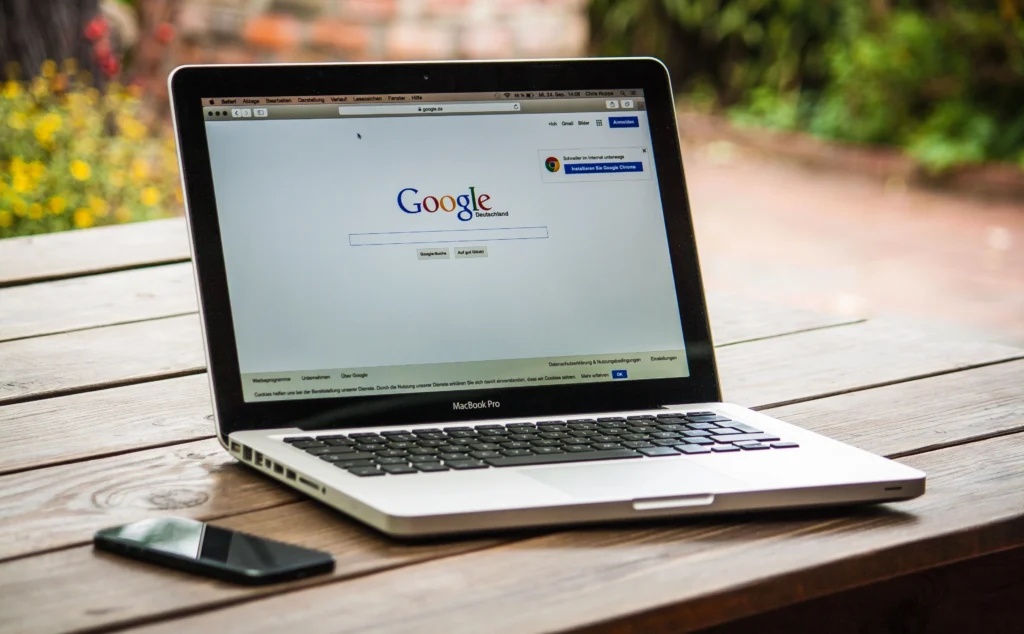
Running Google Ads successfully takes more than just making an ad and picking a few keywords. Most businesses should start with real keyword research, so you get a feel for what your audience is actually typing in. When you choose keywords that match search intent, your ads show up more often, and you’re more likely to attract people who might convert.
Then, there’s the ad copy, which matters a lot. The ad should have clear headline wording, persuasive descriptions, and a strong call to action, something that nudges the user to click. Also, don’t send everyone to some random page. You should send visitors to landing pages that line up with the ad message, not to a generic homepage. When the user experience is consistent, trust rises, and conversion rates usually go up too.
After that, you have to keep watching the campaign. Long-term results usually depend on regular monitoring. Check key performance metrics often, test different ad variations, and use negative keywords to cut out irrelevant clicks. Also, update bids using conversion data, not just impressions or clicks. That kind of ongoing tweaking helps maximize advertising efficiency while keeping customer acquisition costs under control.
Common Mistakes Businesses Should Avoid
Lots of businesses underperform because they ignore parts of campaign management. A big problem is going after broad keywords that pull in visitors who aren’t really relevant. If keyword selection isn’t tight and negative keywords aren’t used, you can end up paying for clicks from people who have no intention of becoming customers. That means a wasted budget and a campaign that feels “stuck” even when you’re spending.
Even if ads bring in pretty solid traffic, people are unlikely to convert if the page is slow, confusing, or just doesn’t have a clear call to action. Businesses should make sure landing pages are mobile-friendly, informative, and also aligned with what the advertisement is saying, more or less.
Ignoring campaign analytics is also a big one. If a business doesn’t monitor performance, it can easily miss chances to refine things. Regular analysis helps surface which keywords work, which advertisements seem useless, and where they should optimize. And with continuous evaluation, businesses can make data-driven choices that boost campaign results and raise return on investment.
Conclusion
So yeah, Google Ads has turned into one of the more powerful digital marketing tools for businesses that want swift, measurable growth. The thing is, it can home in on customers with strong buying intent, bring in traffic right away to your website, help improve brand visibility, and also show you detailed performance insights. Because of all that, it ends up being an essential part of most modern marketing playbooks. In practice, companies of different sizes can use Google Ads to get in front of the people they actually need and then reach real business outcomes, not just empty clicks.
Also, there is a kind of flexibility here that matters. Advertisers can steer budgets, fine-tune audience targeting, and keep optimizing campaigns using real-time information. Contact us as Whether the goal is lead generation, more online sales, pushing local services, or building overall brand awareness, Google Ads provides the mechanisms needed to chase those targets efficiently. If businesses stay consistent with optimization and do strategic planning, they can improve their return on investment while limiting that wasted spend, the kind that happens when campaigns aren’t monitored closely enough.
Frequently Asked Questions (FAQs)
-
How quickly can Google Ads generate results?
Google Ads can kick in pretty fast, like driving some website traffic and even leads within a few hours after a campaign gets approved. But honestly, getting the best results usually means you need time for ongoing tuning, keyword trials, and a few campaign changes over weeks. If you keep an eye on things consistently, it tends to improve conversion rates, and it also helps squeeze more return on investment out of the spend.
-
Is Google Ads good for small businesses?
Yes, Google Ads works really well for small businesses, mainly because advertisers can choose a budget that fits what they can actually afford. A smaller company can start with a limited daily budget and then raise it over time, once the campaign shows signs of profitable results. In the end, it becomes a more affordable and also pretty scalable marketing approach.
-
How much should a business spend on Google Ads?
There isn’t one exact number that fits every business, because how much you spend depends on industry competition, business goals, who you’re trying to reach, and even customer acquisition costs. Most companies start with a budget that feels manageable, then they check how the ads are doing, and after they notice that certain advertising ideas are working, they typically add more money, bit by bit. Sometimes that pace is quick, and sometimes it is slow.
-
What industries often see strong results with Google Ads?
Almost every field can benefit from Google Ads, like e-commerce, healthcare, education, real estate, finance, travel, hospitality, legal services, technology, and home improvement. Since these ads appear based on user intent, businesses can attract more valuable, interested customers across very different sectors, as long as campaigns are built well and continuously improved. It’s not magic; it’s more about setup and refinement