- By Vanshika Choudhary
- April 27, 2026
The internet has undergone substantial transformations during the last thirty years by establishing new methods for people to interact with each other and conduct their professional tasks, make purchases, and access various types of content. Today, another major transformation is happening with the rise of Web3.
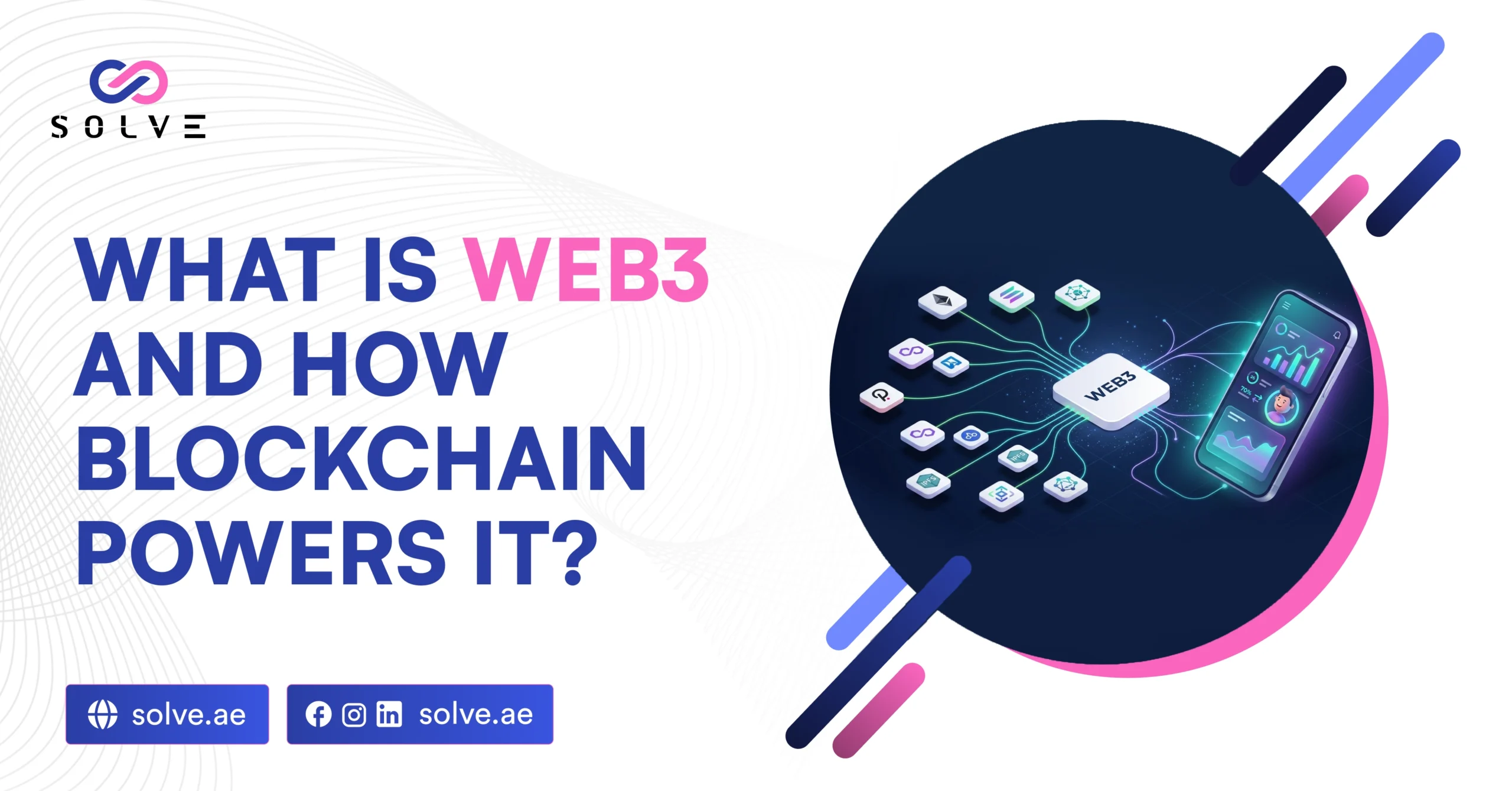
Web3 is being discussed as the future of the internet because it focuses on decentralization, user ownership, and transparency. Web3 allows users to manage their online identities and digital assets because it replaces traditional internet systems, which are controlled by large corporations as platforms and user data.
The system enables transaction verification while maintaining secure record storage and digital ownership verification without the need for any centralized governing body. The blockchain network enables the operation of smart contracts, cryptocurrencies, and decentralized applications. The blog will define Web3 and explain how blockchain technology serves as the foundation for this rapidly expanding digital ecosystem.
The Evolution of the Internet
The First Stage of Internet Development: Web1
Web 1 was the first internet version, which operated during the 1990s and early 2000s. The websites at this stage operated with fixed content, which provided users with very few options to interact with the site. Users could access websites to read articles, collect data, and view corporate websites, but their ability to interact with content remained highly restricted. The majority of websites functioned as digital brochures, which displayed content without allowing users to engage.
People at that time could not create content, post comments, share videos, or interact with companies through online platforms. The period had limited communication systems, while online shopping appeared infrequently. Businesses used websites mainly to build online profiles, which enabled them to reach customers, but they did not use websites to build digital communities. Web 1 established fundamental elements that enabled subsequent internet advancements to develop.
Web2 The Interactive Internet
Web2 introduced major improvements by allowing users to interact, create content, and engage with businesses online. The time period saw a rise in popularity for social media platforms and blogs, streaming services, and online marketplaces. Google, Meta Platforms, and Amazon developed powerful platforms that changed the way people used digital communication and online shopping. This time period relied on user-generated content, which became the main component of internet usage.
Web2 established an easy way for people to connect with others across the world, but it also created new challenges for safeguarding personal information and managing data rights. The major tech companies began to gather user information to enhance their advertising operations and grow their platforms. Users faced restrictions regarding their right to determine how their personal data would be handled and stored. The public pushed for an online system that would use decentralized technology to address these issues.
Web3: The Decentralized Internet
Web3 represents an online network that operates through decentralized systems that utilize blockchain technology, smart contracts, digital currencies, and decentralized applications. Users receive the power to possess digital assets because they can engage with platforms without any connections to central authorities. The system grants users the ability to keep their data and financial activities under their own control.
Web3 platforms create less central authority because their users can retain control over their personal data. Users can store digital assets in crypto wallets and access services across different decentralized platforms. Internet users gain new abilities that enable them to navigate the web with increased flexibility.
What Is Blockchain?
The digital ledger system of blockchain records all transactions on multiple computers, which maintain both security and transparency. The system stores each transaction in blocks, which connect to form a chronological chain through block linking. The blockchain maintains data integrity because any information added to it becomes almost impossible to change. Blockchain technology establishes its secure transaction method because of this characteristic.
The blockchain network maintains its decentralized nature because its data gets duplicated across multiple systems, which prevents any single entity from controlling the whole network. The system protects users from fraud, hacking, and system manipulation because of its decentralized nature. The system enables users to verify transactions through public methods, which strengthens user trust.
Popular blockchain networks like Bitcoin and Ethereum introduced blockchain technology to the public. Bitcoin established decentralized digital payment systems, enabling smart contracts to extend blockchain functions. These two technological advancements established the initial platform for Web3 development.
How Blockchain Powers Web3
The system of decentralized network architecture operates through its mechanism of distributing information among numerous system nodes. The system maintains user information security because it operates through multiple nodes, which prevent any single entity from accessing complete user data. Users can directly access services without needing to go through intermediaries like financial institutions and technology companies. The system provides users with increased operational visibility, which enables them to access information about system activities.
Decentralization also decreases the chance of both censorship and service interruptions. The system maintains its operation even when one server becomes unavailable because it stores data throughout different geographies. regions. This creates stronger reliability for Web3 platforms. The system enables users to experience greater global control over their online activities.
Smart Contracts
Smart contracts function as computerized contracts that execute themselves through their dedicated storage on blockchain networks. The system performs automatic transaction processing once its specified conditions are fulfilled. The system cuts down on documentation requirements and time delays while decreasing the need for third parties. Businesses can automate many processes using smart contracts.
A payment process can be configured to release funds automatically once a service provider completes their work. Ethereum played a major role in making smart contracts widely popular. The contracts enable organizations to operate more effectively while decreasing the possibility of operational mistakes. The system operates in financial services, insurance markets, and supply chain management.
Digital Ownership
Web3 enables users to have complete ownership of their digital property, which includes cryptocurrencies, NFTs, virtual gaming items, and virtual land. The blockchain system authenticates ownership information while it protects assets from easy duplication. This system establishes more effective safeguards for digital ownership rights. The system provides users with greater authority to manage their digital possessions.
Digital ownership systems deliver essential benefits to artists, gamers, and content creators. The creators have the ability to sell their work directly to customers without requiring the assistance of marketplace intermediaries. The system generates fresh income possibilities while it decreases the costs charged by platforms. The system promotes new digital business solutions through its innovative approach.
Security and Transparency
The encryption methods and decentralized verification systems of blockchain transactions deliver high security to those transactions. The system records all transactions on a public ledger, which makes it easier to validate operations while reducing the chances of fraud.
The unchangeable nature of blockchain records provides a defense against unauthorized data changes. The system offers critical value to industries that depend on secure document storage. Various industries, such as healthcare, finance, logistics, and government entities, are testing blockchain technology. The security features of blockchain technology represent one of its most significant benefits.
Decentralized Applications (dApps)
dApps function as applications that operate on blockchain networks instead of using traditional centralized server systems. The applications provide users with service access that does not require them to be dependent on one organization. Users keep more control over both their digital possessions and their online activities. The system functions as a decentralized entity that helps to realize Web3’s vision.
Examples of decentralized applications show their presence in decentralized finance platforms, NFT marketplaces, gaming platforms, and decentralized social media applications. The platforms experience rapid growth as businesses start to investigate Web3 technology. Developers create new use cases on a continuous basis. The digital economy now relies on dApps as one of its essential components.
Real-World Applications of Web3
Decentralized Finance (DeFi)
DeFi platforms enable users to perform borrowing, lending, saving, and asset trading activities without needing to rely on conventional banking institutions. The services function through blockchain networks together with smart contracts. Users can access financial services directly from anywhere in the world. The system enhances financial access for all people who need it.
The DeFi industry develops its platforms on Ethereum because the network supports smart contract functionality. The platforms draw investors who wish to explore banking system alternatives. Users need to comprehend the risks that come with these platforms. The sector continues to expand rapidly.
NFTs
NFTs give creators the ability to market their exclusive digital assets, which include artwork and music, videos, and collectibles. Blockchain technology authenticates asset ownership while verifying its ownership status. The system opens up fresh revenue streams that artists and creators can use. It establishes a new mechanism for people to possess digital assets.
OpenSea and similar platforms made NFT trading accessible to international audiences. Businesses have begun testing NFT technology to enhance their marketing outreach and improve customer interactions. The NFT market expands through the development of new applications. Various sectors are conducting experiments with this technology.
Gaming
Web3 gaming enables players to possess virtual game items that they can exchange with others beyond the gaming environment. Players obtain game rewards while they maintain their right to virtual property. The virtual gaming activities generate actual economic benefits. The system introduces a new framework for operating business activities in the gaming sector.
Game developers are exploring blockchain integration to attract modern players. The gaming ecosystems operate with NFTs and cryptocurrencies as their standard currencies. The new system enables players and creators to generate new income streams. The industry maintains its current rapid expansion.
Supply Chain Management
Businesses utilize blockchain technology to monitor their products from the manufacturing stage until they reach the end customer. The system provides better visibility while enabling users to authenticate product information. It also, decreases fraud activities while it enhances business productivity. The system establishes higher confidence levels between customers and brands.
Various industries, including healthcare, food, retail, and logistics, are implementing blockchain technology for their supply chain monitoring needs. Companies use this system to track problems and make their products safer. The technology enables organizations to establish better accountability. The system enhances international supply chain operations.
Digital Identity
Web3 users need decentralized identity systems because they provide control over their personal data. People can confirm their identity through special identification methods that need no extra personal information. The system enhances privacy protection while decreasing identity theft possibilities. Users can control how their personal information is used by others.
Businesses benefit from two advantages, which include speedier identity verification processes and decreased instances of fraudulent activities. Digital identity systems are under research by governments and financial institutions. The system enables users to complete verification through online processes. The system has the potential to change how digital identities are managed.
Challenges of Web3: Scalable systems face difficulties with Web3 scalability.
Scalability Issues
Many blockchain networks struggle to process large volumes of transactions quickly. The result is that costs increase while transaction speeds become slower. Mass adoption faces restrictions because of these problems. Developers are working to find better solutions.
The development of layer-2 scaling solutions works to enhance operational efficiency through its artificial intelligence capabilities. The implementation of faster blockchain systems will enable Web3 applications to reach a greater number of users. Scalable solutions that solve existing problems must become available to organizations. Future innovation may solve this problem.
Regulatory Uncertainty
Governments around the world continue to create laws that will govern blockchain technology and cryptocurrency operations. Countries maintain separate systems that define legal matters. The resulting situation creates uncertainty, which affects both investors and businesses. The future development of regulations will determine the path that businesses will follow.
The establishment of clear legal frameworks will enhance public trust, which leads to better adoption rates. The excessive implementation of restrictions will create obstacles that prevent technological progress. Businesses must stay informed about changing regulations. Organizations will prioritize compliance as an essential requirement.
Complexity for New Users
Web3 platforms require users to comprehend wallet systems, private key management, and complete blockchain technology. The complicated system design prevents new users from entering the platform. User-friendly interfaces are still developing. Education remains important for adoption.
Blockchain technology provides secure protection against most threats except for the risks that originate from fraudulent activities and badly constructed smart contracts. Users can lose their money through both phishing attacks and fraudulent operations. Security awareness holds vital significance. Users must remain cautious.
The Future of Web3
The early development stage of Web3 shows tremendous potential to change multiple industries across the world. Finance fields, together with healthcare systems, gaming markets, educational institutions, and supply chain systems, have already begun to use Web3 technology.
Web3 adoption will experience rapid growth because technological advancements create more user-friendly systems, and regulatory frameworks become easier to understand. Users will begin adopting decentralized systems because these networks offer superior protection of their private information and control over their assets. The future will experience continuous change through inventive advancements. The Web3 technology has the potential to transform internet functionality through its new capabilities.
Conclusion
Web3 shows the internet development because it enables users to access decentralized systems while maintaining transparent information and complete control over their digital assets. The transformation is built on blockchain technology, which enables users to conduct secure transactions through decentralized applications. Contact us as two technologies work together to create new methods for people to interact with digital content. Their upcoming effects will probably become more powerful as time passes.
Web3 enables businesses, creators, and regular users to access new opportunities despite existing obstacles. People who understand current technologies will gain digital transformation abilities for future requirements. Organizations that adopt new technologies in their early stages will establish market leadership. The internet of tomorrow will operate through decentralized systems.