- By Vanshika Choudhary
- March 16, 2026
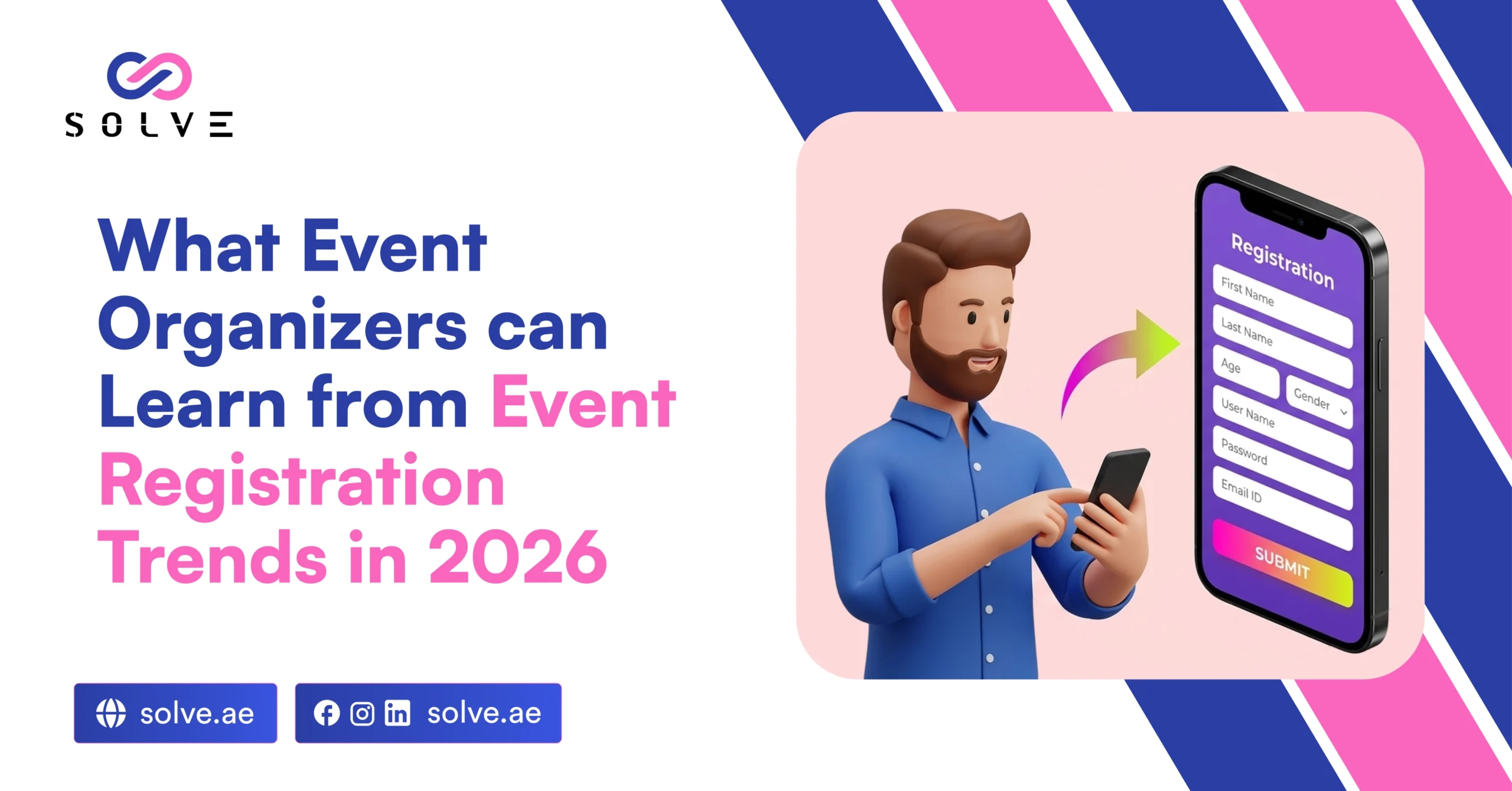
The event industry keeps changing because technology, attendee expectations, and digital platforms are evolving. The event registration systems of 2026 present improved technologies that deliver essential information about how attendees behave. The organizers now have the ability to use registration information for understanding attendee preferences and their event participation patterns. Event planners can use trend research to create improved events and effective marketing strategies, which will boost participant attendance.
The registration patterns show two important things: the times when people register and the methods they use to find events, and the reasons that drive them to attend events. These insights help organizers make smarter decisions regarding event planning and promotion. The organizers now have a new planning approach that uses data and technology to drive their event success instead of depending on their old methods. The modern event industry demands professionals to understand these trends because they affect their ability to maintain market position.
The Rise of Smart and Automated Registration Systems
The events sector of 2026 now depends on smart registration systems, which automate registration processes. The majority of event organizers now use technology platforms that perform ticket reservation processes, attendee information collection, and digital confirmation procedures. The systems automate processes that enable organizations to save time while minimizing operational mistakes that typically happen during standard registration processes. The organizers now have more time to handle event planning and experience development because they spend less time handling administrative tasks.
The automated system improves how attendees experience registration because of its fast and efficient solution. The attendees can use QR code check-in and automated emails and mobile registration forms to complete their event registration and access the events. The technologies help make event management better during on-site operations, along with their function in registration.
Data-Driven Event Planning Is Becoming Essential
Event registration data has become one of the most valuable resources for organizers in 2026. When attendees register for an event, they provide useful information that includes their interests, location, and professional background. Organizers use data-driven planning to select the best options for their sessions, speakers, and event schedules.
Event organizers use registration data analysis to discover which marketing channels succeed in reaching their target audience. The marketing campaign results show how many attendees learned about the event through social media and email, and search engine marketing, which they used to access the event.
Personalization Is Increasing Event Engagement
Personalization has become the main design trend for modern event registration systems, which now use it as their primary registration method. Attendees now expect events to provide experiences that match their interests and preferences. Organizers can provide session, workshop, and networking recommendations to each attendee by using registration data analysis.
The personalized nature of communication methods enables events to achieve higher attendance numbers. The organizers use targeted email notifications together with customized event timetables and individualized attendee updates, which they create according to each attendee’s specific preferences. The participants experience increased value through this communication method, which enhances their event attendance. The probability that attendees will participate in an event increases when they perceive that the event organizers designed the experience for their particular needs.
Integrated Platforms Improve Event Performance
The registration systems of various event organizers will merge with marketing and customer management tools in 2026. The organizers can monitor attendees’ movements starting from registration until the completion of their event attendance through this system. The data enables organizers to analyze how attendees behave at events while they use it to evaluate their event achievements. The integrated platforms offer event management teams a centralized solution that combines all necessary tools into a single platform.
The systems enable organizers to monitor event success indicators, which include attendance levels, session attractiveness, and audience interaction rates. Event planners use this data analysis to create superior event experiences for future occasions. The integration process enables organizations to handle their post-event communication activities. The organizations use this method to maintain brand connections with attendees who have left the event space. Check out our latest blog post on Event Registration Mistakes That Cost You Attendees (And How to Fix Them)
Sustainability and Digital Experiences Are Influencing Registrations
The event organizers and their guests will now prioritize sustainability at their events during the year 2026. The present-day events have started to use digital registration systems together with electronic ticketing and mobile event applications in order to minimize their paper consumption. The implementation of these procedures enables organizations to decrease their ecological footprint while enhancing their operational effectiveness for managing events. Environmental sustainability practices have become a primary factor that draws attendees to various events.
The virtual components of digital events contribute to environmental sustainability by enabling participants to attend events without needing to travel. The availability of online attendance options for attendees results in decreased carbon emissions that would otherwise occur from their travel. This method provides advantages to both the environment and the event organizers because it makes their programs more accessible. The increasing global significance of sustainability will result in more people choosing to participate in eco-friendly events.
Conclusion
The 2026 event registration trends provide essential insight that helps event organizers to develop successful and interactive events. The event planning process is transforming the application of automation, data analytics, and integrated platform technologies. Contact us as the registration pattern study, combined with attendee preference analysis, enables organizers to create events that better match audience needs. The gathered information assists organizations in enhancing their event marketing activities, together with their planning procedures and the total experience of their attendees.
The understanding of current trends enables organizers to maintain their competitive edge within the fast-evolving event market. The modern event environment requires three fundamental elements, which include hybrid formats, together with personalized experiences and sustainable operational methods. The registration numbers of organizers who adopt these trends will increase, together with their engagement rates and their overall event results. The future success of events will rely on registration systems, which help organizers monitor their internal operations.