
- By Vanshika Choudhary
- March 2, 2026
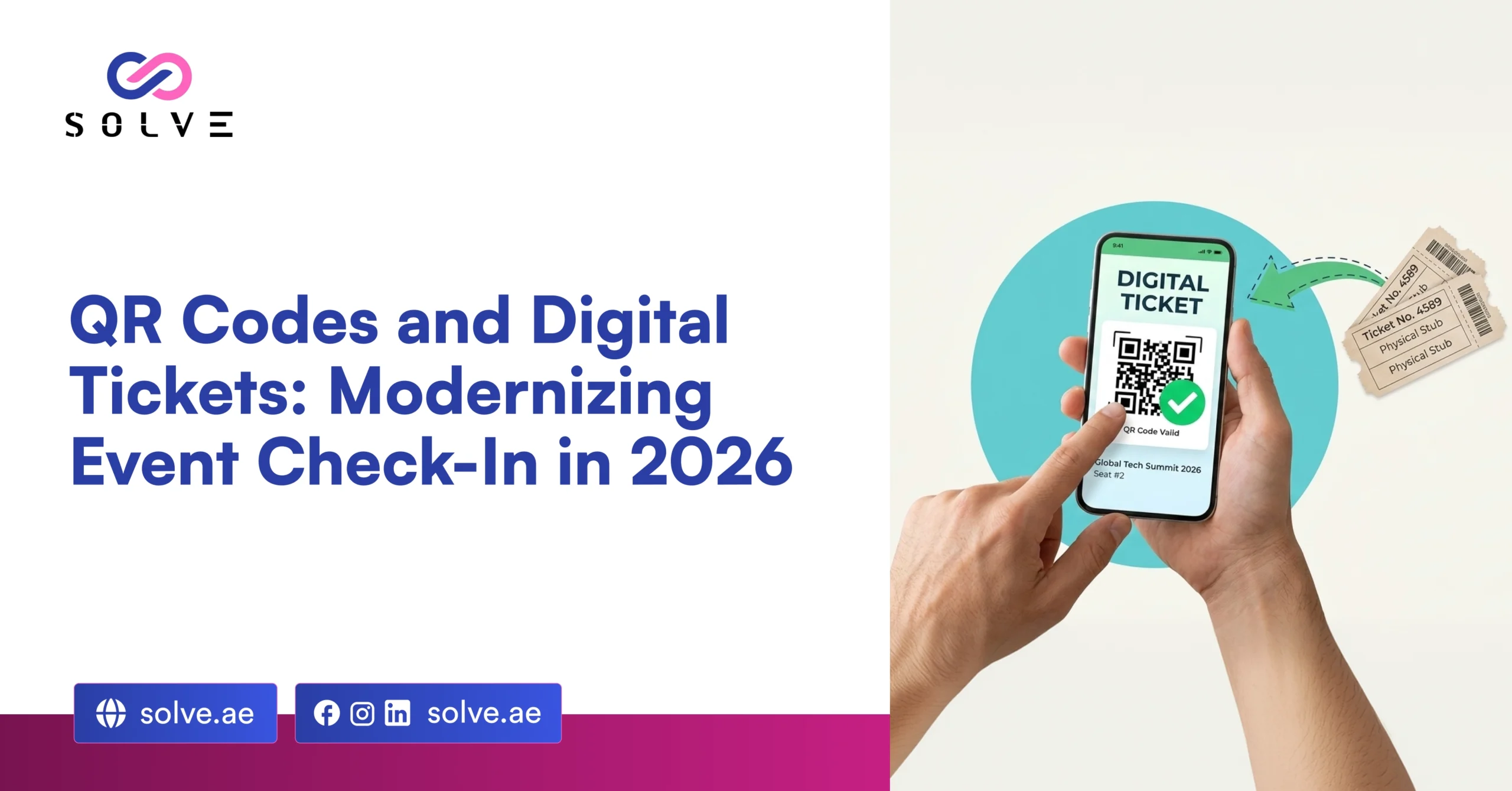
People who work in the event industry have created experiences that use technology to interact with their audiences in a deeper way than they have before. Organizers are no longer satisfied with traditional entry methods that cause delays and confusion. Attendees expect airports to provide them with fast and secure entry through short waiting times. QR codes and digital tickets are essential for establishing new event check-in systems.
All events now require digital entry solutions, which have become the standard method for accessing events. Mobile-based access has made paper tickets obsolete because they take too much effort to use. Event technology platforms are developing accessible systems that organizations can use to create intelligent check-in solutions. The widespread adoption of QR-based entry systems has made them an essential element for event planners who work on events scheduled for 2026.
-
Understanding QR Codes and Digital Tickets
QR codes function as digital barcodes, which use a square pattern to store information. Users can access information through a smartphone camera or a scanning device, which reveals ticket ID and attendee data when they scan the code. The registration system generates unique codes for each user, which provide secure and accurate identification. The system enables users to complete scanning tasks without needing to go through the process of manual identification verification.
Digital tickets function as electronic tickets that organizations send through email, SMS, and event applications. The digital ticket contains a QR code that connects to the attendee registration information. Digital tickets provide better security than paper tickets because they remain intact and secure.
-
The Process of Checking In Is Faster When People Use Contactless Methods
QR-based systems provide their greatest benefit through their ability to execute tasks at high speed. Staff members can use code scanning to grant access within seconds, which eliminates the need to search printed lists for names. The system achieves effective crowd control through its ability to decrease waiting time and maintain operational efficiency. Quick access to the building creates a favorable initial experience, which benefits all attendees.
In 2026, contactless technology maintains its vital status because people want to decrease their physical contact with others. The scanning process of a QR code from a phone screen enables users to bypass the need for physical ticket handling. The entry system maintains better hygiene through this method, which also decreases unnecessary physical contact points. The system enables events to continue their operations during times of high attendance because it maintains its operational flow.
-
Improved Security Measures Protect Against Fraudulent Activities
The practice of using paper tickets creates security problems because people can easily duplicate them or resell them without permission, which creates security problems for event organizers. Digital tickets use unique QR codes that link to secure database systems. The ticket system automatically marks a ticket as used after its initial scanning. The system prevents all unauthorized access through its detection of duplicate entries.
The advanced event software from 2026 enables users to observe attendance levels in real time. The system enables organizers to monitor entrance numbers while they observe scanning behavior. Some systems send alerts when they detect duplicate scanning activities. The use of QR ticketing systems provides better security protection than traditional ticketing systems do.
-
Immediate Data Collection and Data Analysis
Modern check-in systems do more than just allow entry; they also collect valuable event data. Organizers can see live attendance numbers, peak entry times, and session participation rates. The information helps organizers understand how attendees behave, which leads to better event planning for upcoming events. Event managers now require data-based decision-making processes to steer their organizational operations.
Organizers can use analytics data, which shows peak traffic times, to determine appropriate staffing levels for those times. The actual attendance data, which follows, shows the success of the marketing campaign. The events of 2026 depend on these insights to improve their operational results and financial success. QR-based systems make this possible instantly. Check out our latest blog post on How Small Businesses Can Benefit from Event Registration Systems
-
Eco-Friendly and Cost-Effective Solution
Event planners throughout the world now prioritize sustainability as their main focus. Organizers achieve waste reduction through digital ticketing because it eliminates the need for paper tickets. The process generates cost savings while it promotes sustainable environmental methods. The implementation of eco-friendly event management will become an essential success factor for businesses in 2026.
The process eliminates all costs that would arise from reprinting tickets that attendees lose. Attendees can access their digital pass through their email or event app. The solution leads to both decreased administrative tasks and decreased operational costs. The environmental advantages and cost savings of digital ticketing systems prove their worth.
-
Easy Integration with Event Technology
The QR code system allows organizations to connect their digital platforms, which include CRM systems, marketing tools, and payment systems. The system creates an interconnected network that automatically synchronizes all event data across different systems. The system updates attendance records in real time when an attendee checks in. It achieves operational efficiency through its capability to decrease human errors.
The system sends a welcome message or feedback request to users after they scan the QR code. Some platforms even allow access control for VIP areas through multiple QR scans. The system provides high automation, which makes event management processes much simpler.
-
Improved Attendee Experience
The entry process represents the first physical contact that visitors make with an event. Disorganized or slow check-in procedures, because of their slow nature and scattered state, lead to poor customer satisfaction. The digital entry system, which uses QR codes, enables professional access within two seconds of entry. This creates a positive and stress-free beginning for guests.
The 2026 events will include self-check-in kiosks, which enable attendees to check themselves in through code scanning. The process enables guests to check themselves in, which decreases their need for assistance from staff members. The entry system needs to show modernity because it creates an image of professional capacity and strong brand identity. The implementation of improved check-in processes results in increased visitor satisfaction during events that follow this procedure.
-
Use Across Major Events Worldwide
The organizations that operate international events and entertainment venues have adopted QR code systems together with digital ticketing as their standard operating procedures. The Olympic Games use advanced digital ticketing systems to handle secure entry for millions of visitors at their large-scale events. The systems deliver both effective crowd management solutions and complete visitor identification mechanisms. The study proves that QR-based technology can handle increased usage requirements.
Digital ticketing systems operate as the primary method for major event organizers, who include Live Nation Entertainment, to manage their concert and festival operations. Users can keep their tickets on their phones through mobile wallets, which include Apple Wallet and Google Wallet.
Conclusion
The year 2026 sees QR codes and digital tickets becoming the new standard for event check-in procedures. The solutions provide multiple advantages, which include fast operations, secure processes, and sustainable practices, together with data-based insights for improved event management. Contact us as the solutions enable organizers to save money while they achieve better operational results. The solutions provide attendees with a more efficient way to enter the venue, reducing the time required to complete their entry process.
Digital ticketing has become an essential requirement for organizations that want to succeed in the modern event industry. The process functions as a strategic initiative that enables the organization to create events that demonstrate professionalism and prepare for upcoming changes.