- By Vanshika Choudhary
- March 30, 2026
It’s important to organize an event today because event planning requires more than just securing a venue and sending out invitations to guests. The most effective method for reaching this goal is an event registration system, which stands as one of the most valuable tools you can use. The system enables you to handle attendee details while it decreases errors from manual activities and provides you with immediate views of your event progress.
This blog presents a complete guide for using registration systems to plan events through a detailed walkthrough of the process.
Step 1: Define Your Event Goals and Objectives
The planning process starts after you have established the primary goal of your event. Your networking session requires you to establish your objective, which will then control all business operations. The definition of specific goals enables you to identify your target audience and select the appropriate event type. Your work will become less productive because you lack understanding of the task at hand.
Setting clear objectives also helps you measure the success of your event later. The system allows you to measure attendance and engagement and conversions by using the metrics you defined at the beginning. This process ensures your event achieves both organizational excellence and actual effectiveness. Your registration system produces effective outcomes when your planning strategy matches your goals.
Step 2: Choose the Right Event Registration System
The selection of an appropriate event registration system is essential because it impacts your event’s success. The system should provide users with the ability to create custom registration forms, make secure payments, and send automated messages. The system needs to be user-friendly because it needs to enable attendees to complete their registration process without any difficulties. The selection of an inappropriate system results in technical problems, which create difficulties for users.
Platform selection requires you to evaluate scalability and analytics capabilities. The system needs to support increased registration capacity as your event expands. Advanced systems provide insights into attendee behavior, which helps you improve your event strategy. The right tool investment enables your organization to operate efficiently while decreasing the need for manual work.
Step 3: Create a Detailed Event Plan
The event plan provides a complete framework that maintains order throughout the entire event process. The process requires you to choose an event format, which includes selecting a venue or platform, determining timelines, and assigning duties to your team members. Planning of all event details enables you to remain organized during your event. The process ensures that every aspect of your event aligns with your established goals.
The structured plan enables you to achieve better registration system implementation. The system enables you to establish future dates for ticketing, registration, and promotional activities. The system establishes a seamless process that connects multiple event phases. A complete plan establishes better work output while decreasing error risks.
Step 4: Design a User-Friendly Registration Form
Your registration form is often the first interaction attendees have with your event. The form needs to have basic design elements that users should find easy to use throughout the entire process. The user experience improves when users provide only the necessary information, which includes their name, email, and contact details. A complicated form can reduce the number of registrations significantly.
Your form needs to achieve both mobile compatibility and responsive design. The form needs to operate correctly on all devices because many users choose to register using their smartphones. The process becomes faster when users can utilize auto-fill features and dropdown menu selections. A well-designed form increases conversion rates and enhances the overall experience.
Step 5: Set Up Ticketing and Payment Options
A proper ticketing system becomes essential for events that need paid entry. The event offers different ticket options, which include early bird tickets, general admission tickets, and VIP passes, to attract different audience groups. The flexible payment system enables you to optimize revenue while maintaining high attendance numbers. The attendees experience a clearer understanding through a transparent pricing system.
The registration process becomes better when websites offer different payment methods that enable secure transactions. The attendees need to make payments through their preferred payment method, which should work without any technical problems. When payment systems operate smoothly, it creates trust, which results in more people finishing their registration process. The event needs efficient ticketing and payment systems because they create a professional environment.
Step 6: Automated Confirmation and Communication System
The process of managing events becomes easier through the implementation of automation systems. The registration process needs to send attendees an immediate confirmation email that contains all necessary event information. The automated reminders enable attendees to receive notifications about upcoming events, which decreases their probability of missing scheduled activities. The measure guarantees higher attendance with active participation from attendees during the event.
Frequent communication enables organizations to establish enduring relationships with their audience base. The system enables you to distribute updates together with reminders and critical announcements without any manual work. The system enables your communication strategy to maintain uniformity while it saves you time. The system enables you to direct your attention toward essential duties that will help you prepare for your upcoming event.
Step 7: Promote Your Event Effectively
Successful promotion functions as a vital component that attracts attendees to your event while establishing its overall success. The marketing strategy needs to utilize social media platforms together with email marketing and online advertising to connect with the desired audience. The registration link becomes more visible when you share it through different platforms. A promotional strategy that works effectively to generate interest will lead to maximum event attendance.
The audience maintains its interest through marketing activities, which need to happen on a regular basis. The event builds excitement through its updates, which include countdowns and interactive content. You can use these channels to reach out to potential audiences through your partnerships with major companies or influential individuals. The registration system receives increased website traffic because effective promotional methods lead to higher registration numbers.
Step 8: Track Registrations and Monitor Data
The following step requires you to monitor registration data throughout your event. The registration system enables you to track three aspects, which include sign-ups and ticket sales and attendee demographics. The data allows you to discover patterns that help you make decisions based on evidence. The system maintains your event schedule because it monitors all active activities.
The analysis process enables you to enhance your current strategies whenever necessary. You should increase your marketing activities and provide discounts when your registration numbers drop. Data-driven decisions enable your competitive advantages because they help you attain superior outcomes. Regular monitoring ensures that your event planning remains effective. Check out our latest blog post on Cost vs Value: Is Event Registration Software Worth It?
Step 9: Manage Attendees on Event Day
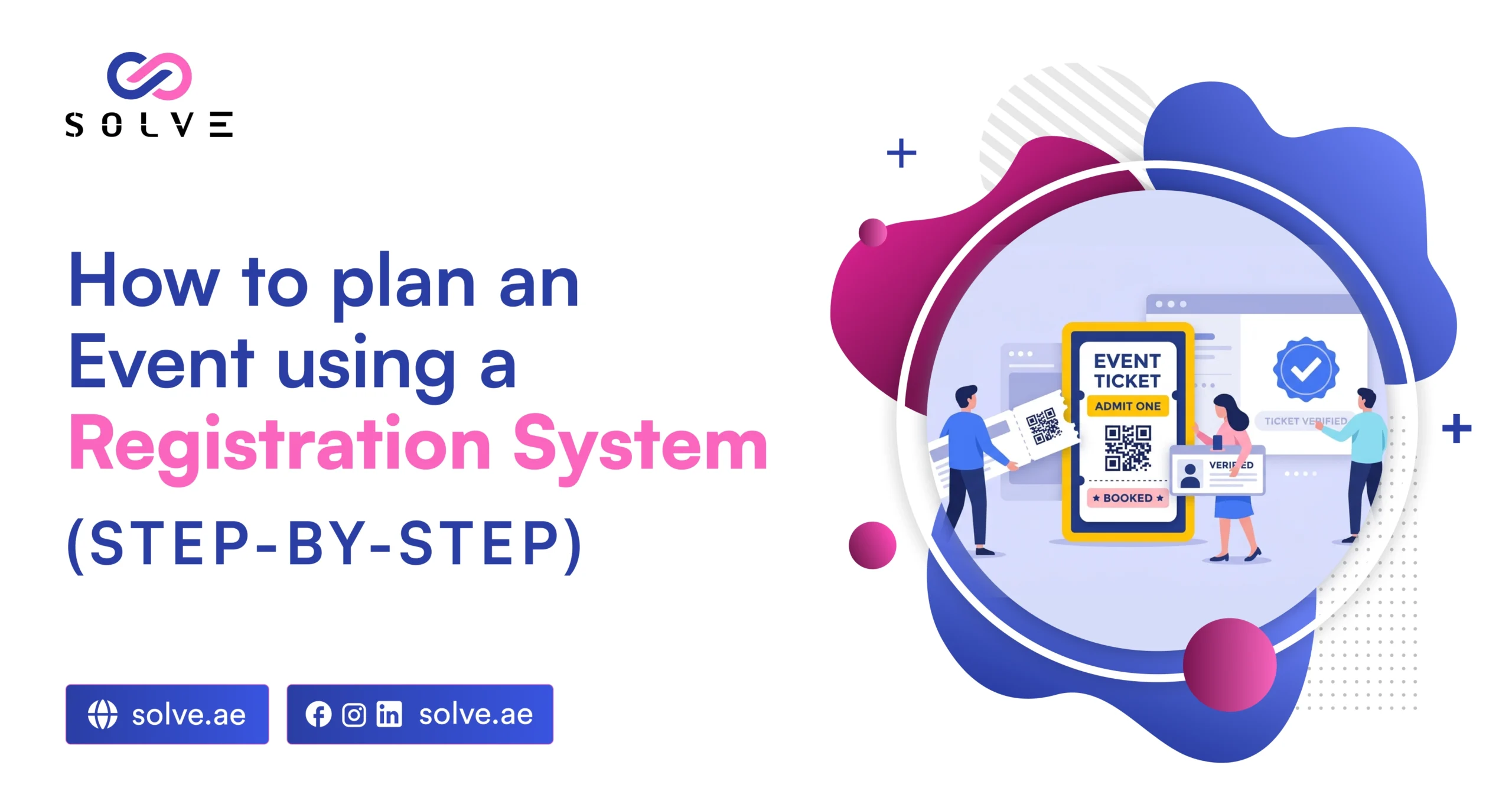
The event day requires you to control attendee flow throughout the entire event. A registration system allows you to use digital check-ins, QR codes, or e-tickets for quick entry. The process eliminates waiting time by preventing lengthy lines from forming at the location. The entire check-in procedure establishes a first impression, which makes everything flow smoothly.
The proper management of attendees enables you to control unexpected events that may occur during your event. The system enables you to follow attendance patterns while directing crowd movements in an organized manner. The system creates a safe environment that provides comfort to all attendees. Your event management abilities demonstrate your professional abilities and your ability to plan effectively.
Step 10: Analyze Post-Event Performance
The performance assessment of the event requires analysis after the entire event process reaches completion. The registration system delivers information that includes attendance statistics, participant engagement rates, and user feedback. The findings allow you to determine which elements of the system functioned correctly while identifying areas needing enhancement. The event achieves educational value through its transformation into a learning platform.
The comparison of actual results to your original objectives allows you to measure your success. The collection of feedback from attendees creates extra information, which helps with future planning. The process of continuous improvement will lead to better outcomes for your future events.
Conclusion
The use of a registration system for event planning enables better efficiency and organization throughout the entire process. The system enables you to handle all aspects of events, including registrations, communication, and data management, without creating any confusion or delays. Contact us as your productivity increases together with the improved experience of your attendees. The implementation of a structured framework leads to enhanced results.
The step-by-step guide enables you to execute successful events through confident planning. The registration system functions as a complete solution that modern event management requires, according to its smart design. The system enables you to minimize time expenses while maintaining high professional standards through reduced mistakes. These strategies will help you achieve greater success and create more significant effects at your upcoming events.