- By Vanshika Choudhary
- March 12, 2026
Events serve as effective media through which businesses, organizations, and institutions can establish connections with their target audiences while simultaneously acquiring new customers and enhancing their brand visibility. The manual operation of events requires extensive time and resources, which result in inaccurate data handling, communication breakdowns, and ineffective result assessment. The integrated event management systems provide their highest level of usefulness during this particular situation.
The integrated system establishes a single platform that connects all event functions from registration to final report delivery. Organizers can manage attendees better because the system tracks audience participation while calculating their return on investment. The connection of event processes enables organizers to gather essential data, which helps them make choices that boost their events’ chances of success.
Understanding Event ROI and Why It Matters
“Event ROI” refers to the value or benefits gained from organizing an event compared to the resources invested in it. The measurement of ROI enables organizations to determine whether their events accomplish business objectives, which include lead generation, brand awareness growth, and customer relationship development. The absence of tracking systems makes it challenging to determine return on investment for organizations, which leads to frequent errors in their ROI calculations.
The use of integrated systems enables organizations to measure return on investment throughout their events because these systems gather data from all event activities. These platforms record attendee registrations and engagement levels, ticket sales, and feedback. Organizers use this data to assess their event strengths and weaknesses, which they will use to improve their upcoming events.
The understanding of event results enables organizations to distribute their funds more effectively while developing better operational plans. The modern event management system requires an integrated event system as its fundamental component.
Simplifying Event Registration with Integrated Platforms
The initial contact between attendees and event organizers happens during the process of event registration. The registration process loses many potential attendees because its complicated and time-consuming nature leads them to stop their applications. Registration systems become easier to use when users can access online forms that generate automatic confirmations and enable protected payment processing.
Integrated registration systems provide another advantage through their real-time tracking capabilities. Organizers can track the total number of registered users, the distribution of different ticket types, and the locations of incoming attendees. The insights enable better marketing strategies and event planning.
Centralized Data Management for Better Event Planning
Event management faces its greatest difficulty when it needs to manage substantial data volumes that come from multiple sources. When information is stored in separate spreadsheets or tools, it becomes difficult to manage and analyze. The integrated systems create a solution that enables them to store all event information within one unified platform.
With centralized data access, organizers can quickly get information about attendees, such as ticket sales and schedule information, as well as communication records. The method ensures updated information is available to all event participants while decreasing the likelihood of making mistakes.
The centralized data system enables event teams to work together at a higher level because it provides complete data access, which supports their decision processes. The method enhances all planning activities while safeguarding the successful execution of the event.
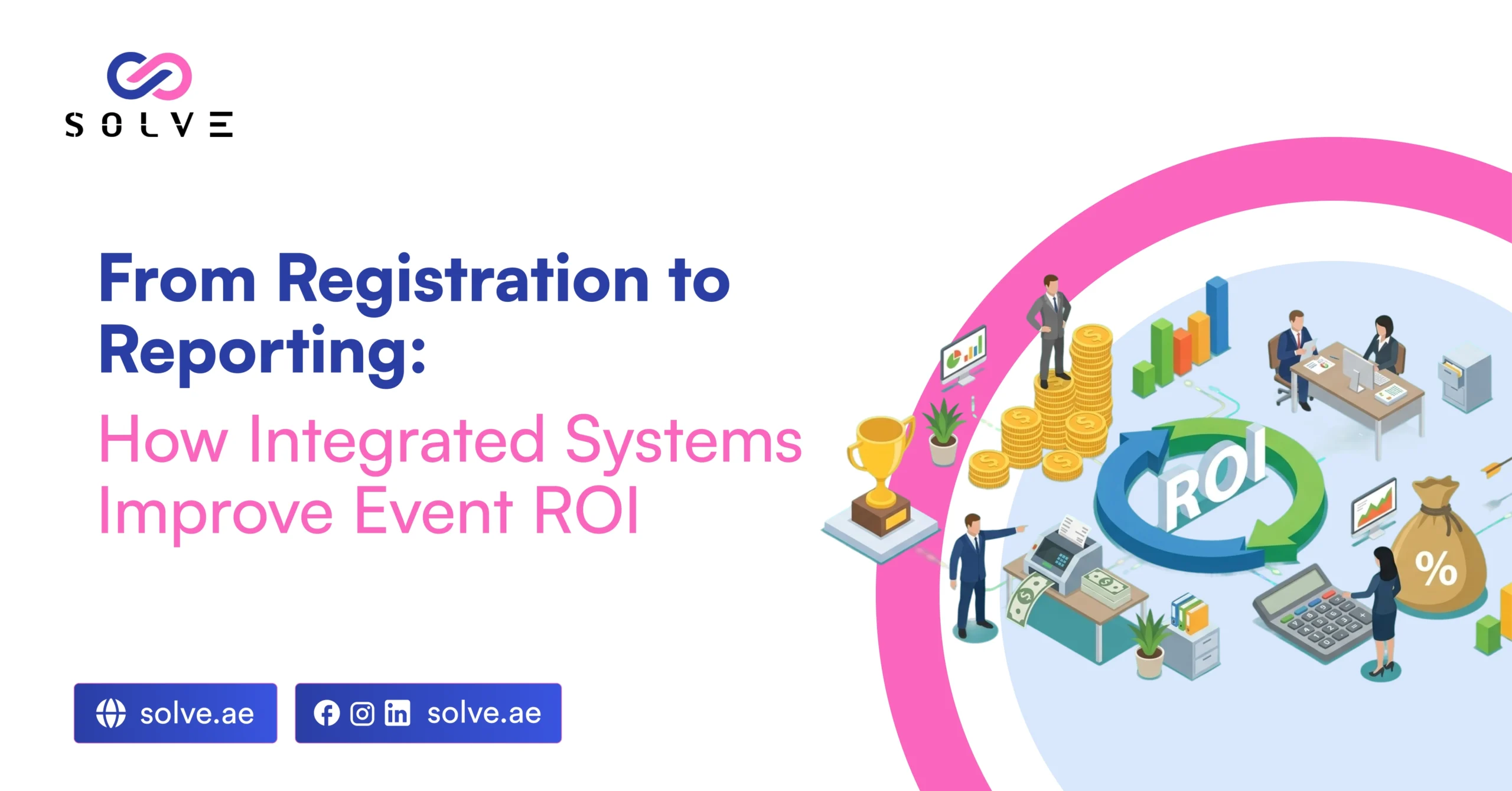
From Registration to Reporting: How Integrated Systems Improve Event ROI
The integration process improves attendee experience because it creates better results for their needs through better integration methods. Successful events depend on creating a positive environment for attendees to experience.
Integrating technology with better tools will create more enjoyable experiences for all event participants. The success of an event depends on how well attendees experience their time there. The integrated event systems create seamless event operations that enable effective communication between people while maintaining their schedules and providing timely information updates. The system enables attendees to receive custom email messages that include session and activity reminders and attendance alerts for their selected events.
Participants can access the mobile event applications, which enable them to check the event schedule and connect with other attendees while receiving live updates about the event. The system provides users with multiple benefits, which increase their involvement during the entire event duration. Positive attendee experiences lead to higher attendance rates for future events, which attendees will recommend to other people. This process helps to enhance the long-term worth of events while increasing their return on investment.
Automated Reporting and Performance Insights
Integrated event systems offer their users one of their most beneficial capabilities through automated reporting functions. Organizers need to conduct performance analysis after an event by measuring attendance figures and engagement metrics, ticket income, and customer feedback. The process of gathering this data manually requires extensive resources, which often results in inconsistent findings.
The integrated systems generate automated reports that display essential information about the event. The reports deliver detailed information about how attendees interact with the event, which sessions attract the most visitors, and which marketing strategies resulted in revenue generation. The event organizers use analytic data to discover their event strategies’ actual strengths and weaknesses. The data-driven method enables better event performance because it helps to maximize investment returns. Check out our latest blog post on 5 Ways Event Registration Software Saves You Time and Money
Enhancing Marketing and Lead Generation
Businesses use events as a method to create new customer leads while they develop partnerships with prospective clients. Marketing operations receive support from integrated event platforms, which link registration systems with email marketing systems and customer relationship management software. The system enables event organizers to monitor attendee progress from the moment they register until they finish their post-event activities.
Event organizers can use the system to send specific invitations and reminders and follow-up emails to attendees who show particular interests. The personalized content that they deliver to their audience leads to higher audience participation while building closer connections with them.
Organizers can collect essential lead data during events thanks to integrated systems. Sales and marketing teams can use this data to develop relationships with potential customers until they make a purchase, which results in increased revenue for the business.
Conclusion
The successful management of events needs planners to execute multiple elements, which include registration and post-event evaluation. The complete event process becomes easier to manage because integrated event management systems create a single system that connects all event functions. The system enables organizations to handle registration processes and data management while creating better experiences for their attendees and generating complete performance assessment reports.
Integrated systems enable organizations to decrease their operational tasks, which they need to handle manually, while they enhance their decision-making processes and improve their ability to assess event results. Contact us as the platforms enable organizations to achieve their maximum event return on investment through their capacity to make every element of an event work toward measurable business objectives.
The adoption of integrated event technology will become a critical requirement for the events industry because of its ongoing development. Organizations that invest in these systems will be better equipped to deliver impactful events and achieve long-term success.